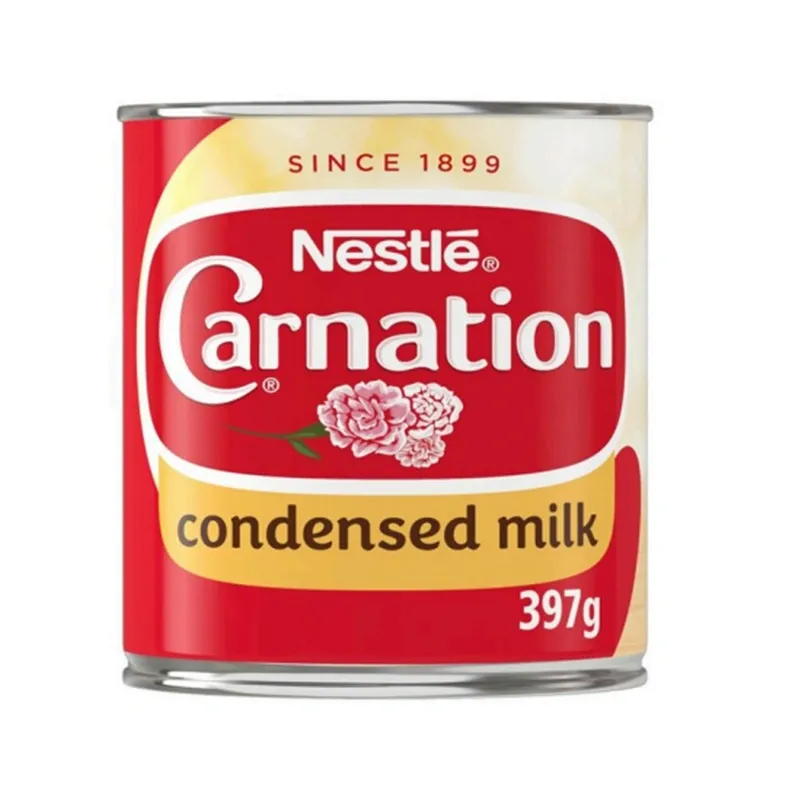
Carnation
Price on request
Add it to your order request and we'll confirm wholesale pricing with you.
In stock, ready to deliver
Local delivery
Pay on delivery
Trade & wholesale
About this product
Carnation (Dianthus caryophyllus) is a flowering plant native to the Mediterranean, widely cultivated for its fringed petals and spicy, clove-like fragrance. It is one of the most popular cut flowers globally, used in bouquets, decorations, and symbolic occasions.
🌸 Botanical Overview
- Scientific name: Dianthus caryophyllus
- Family: Caryophyllaceae
- Common names: Carnation, clove pink, grenadine
- Native range: Mediterranean region, though exact origins are uncertain due to centuries of cultivation
- Fragrance: Spicy, clove-like, often compared to cinnamon or nutmeg
- Growth habit: Herbaceous perennial plant
- Height: Typically 30–75 cm tall
- Flowers: Fringed petals, available in a wide variety of colors (red, pink, white, yellow, green, and bi-colored varieties)
- Blooming season: Late spring to summer, though cultivated varieties can bloom year-round in controlled environments
- Symbolism:
- Red carnations – love and admiration
- White carnations – purity and luck
- Pink carnations – gratitude and remembrance
- Floristry: One of the most widely used cut flowers in bouquets, boutonnieres, and floral arrangements
- Symbolism:
- Mother’s Day flower in many countries
- National flower of Spain and Slovenia
- Used in ceremonies, memorials, and cultural traditions
- Perfume & flavoring: Historically valued for its fragrance
- Soil: Well-drained, neutral to slightly alkaline soil
- Sunlight: Prefers full sun
- Watering: Moderate; avoid waterlogging
- Propagation: By seeds, cuttings, or division
- Care: Deadheading prolongs blooming; staking may be needed for taller varieties